







Research
Outreach Project on Methane Emission
1.
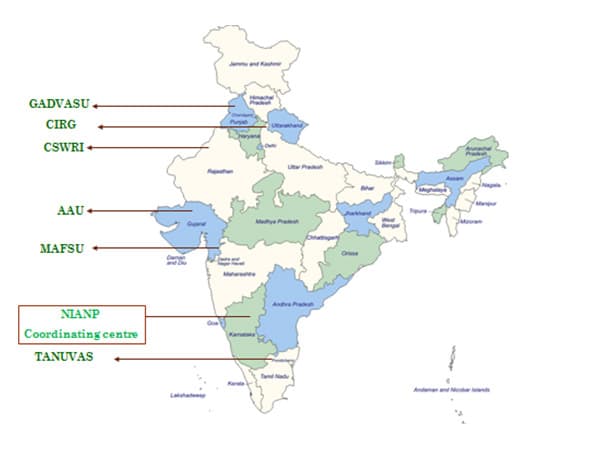
Date/ Year of start: 2008-2012 (XI plan); 2012-2017 (XII plan) & 2017-2020 Project Coordinator: Dr. Raghavendra Bhatta, Director Principal Investigators: Dr P. K. Malik Co-Investigator: Dr. A. P. Kolte, Dr. C. Deveraj Participating centers: XII Plan
Date/ Year of start: 2008-2012 (XI plan); 2012-2017 (XII plan) & 2017-2020 Project Coordinator: Dr. Raghavendra Bhatta, Director Principal Investigators: Dr P. K. Malik Co-Investigator: Dr. A. P. Kolte, Dr. C. Deveraj Participating centers: XII Plan
2.
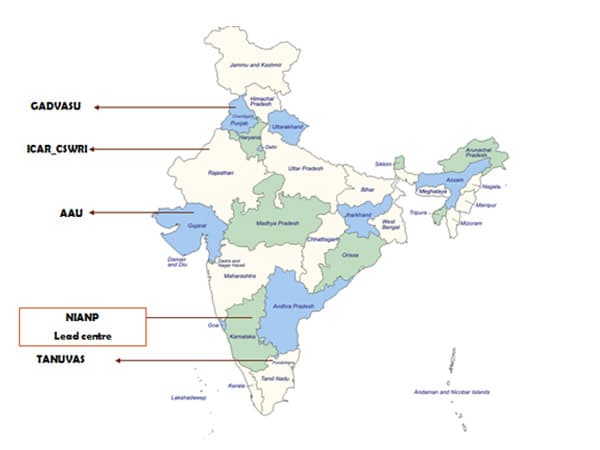
2012-2017
3.
2017-2020
Salient Achievements
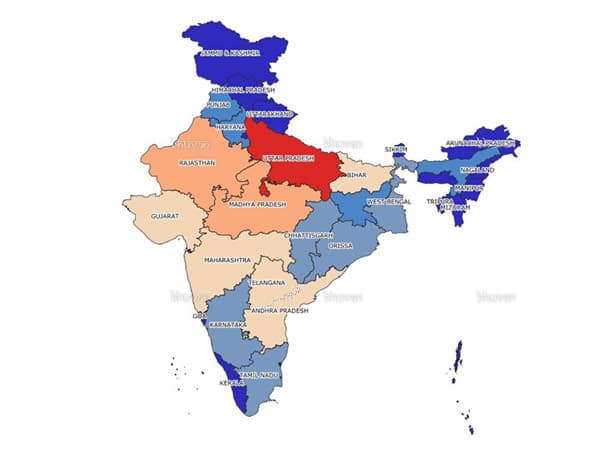
Enteric Methane Emission Database An inventory on state wise enteric methane emission from Indian livestock was developed under outreach project. ICAR-NIANP estimate revealed that Indian livestock annually emits about 9.25 Tg enteric methane.
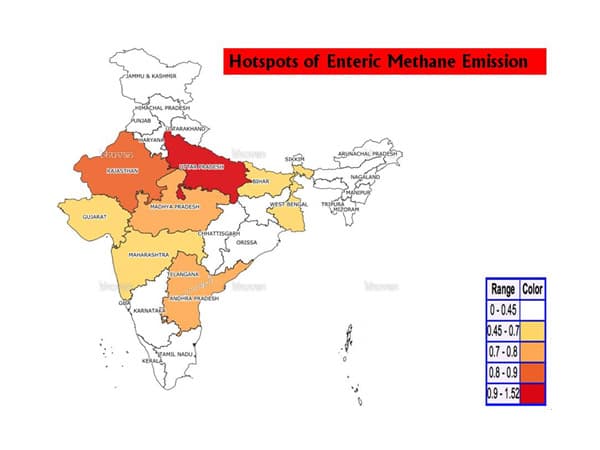
The hotspots for enteric methane emission were also identified which needs urgent attention for the amelioration
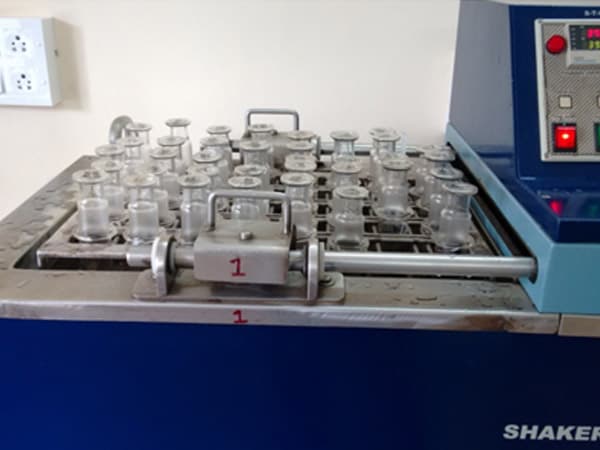
In vitro screening of phyto-sources for methane production Methane production potential of more than 1000 feedstuffs including straws, tree leaves, shrubs, pasture grass, grain, oil cakes, agro-industrial by-products and compounded feeds from different agro-eco zones were determined in vitro and based on the methane production, the promising sources were selected and studied with graded level of supplementation for optimizing the level of inclusion in animal diet to curtail methane emission
Equation for predicting methane production Based on methane production potential and chemical composition of feedstuffs, an equation was developed to predict methane production from the given feed resources/feeding regimes Methane (ml/100 mg digested substrate) = 14.346+0.010*CP*NDF-0.069*ADF-0.001*ADL-0.136*IVDMD
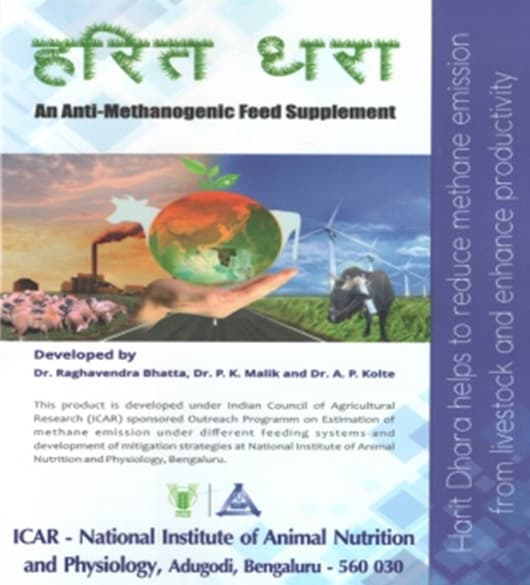
Development of methane ameliorative measures Based on the in vitro and subsequent in vivo studies in large and small ruminants, various methane ameliorative measures were developed
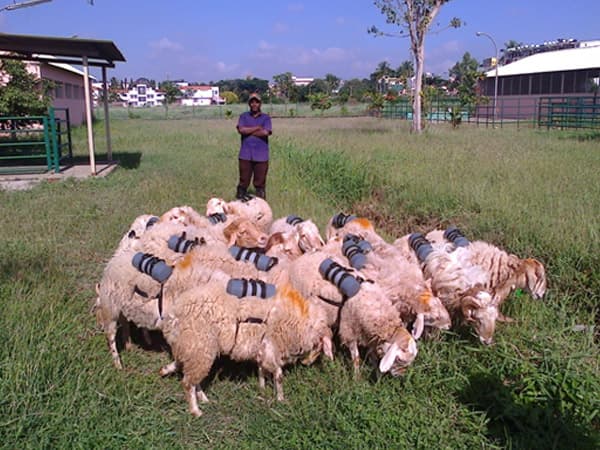
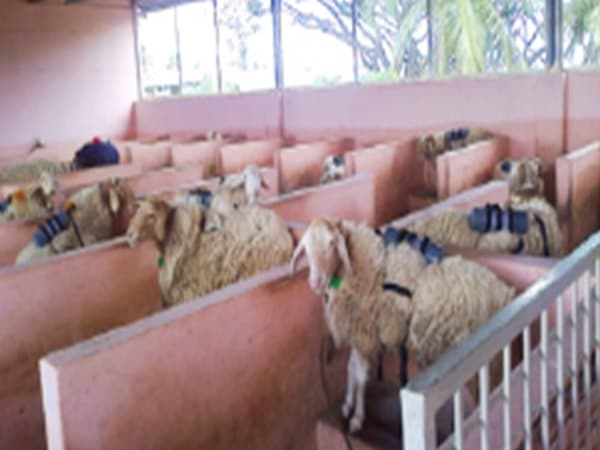
Tropical tree leaves reduce enteric methane emission Selected tropical tree leaves from Azadirachta indica, Ficus religiosa and Artocarpus integrifolia were evaluated for their methane suppressing effect. Enteric methane was quantified using SF6 technique. Results from the in vivo study in sheep showed a reduction (p<0.05) of 20.5, 20.7 and 26.2% with the inclusion of Jack, Neem and Banyan tree leaves, respectively.
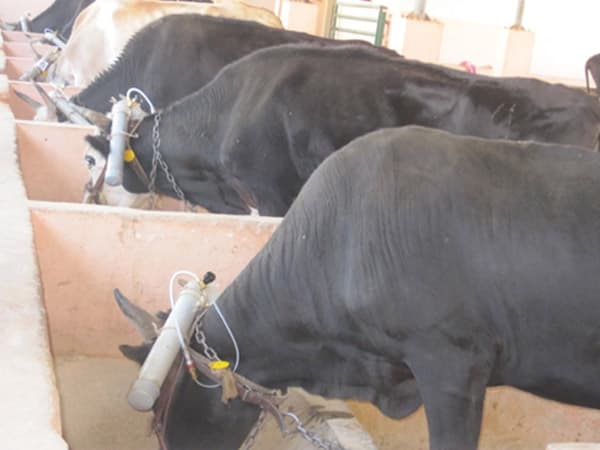
Tamarind (Tamarindus indica) seed husk as methane suppressant Based on the in vitro results, tamarind seed husk at two graded levels of 2.5 and 5.0% of straw based diet was evaluated for methane reduction in crossbred cattle. Enteric methane emission was measured by sulphur hexafluoride (SF6) tracer technique. The supplementation of tamarind seed husk at 5% level decreased methane emission by 17% in cattle; however, supplementation at 2.5% did not show any significant reduction in methane emission.
Individual Vs Combo supplementation of tannins and saponins phyto-sources The studies carried out using tannins or saponins as methane suppressants are confined to in vitro conditions only and there is limited information available on the in vivo methane amelioration. In vivo study was conducted in adult crossbred cattle to test whether combined supplementation of tamarind seed husk (CT source) and soapnut (saponin source) induce additional enteric methane reduction over and above the individual supplementation of selected sources. Results from the study revealed a significant (p 0.05) from the control.
Silkworm pupae oil: a potent inhibitor of rumen methanogenesis The research work has been initiated at the institute to explore the properties of silkworm (Bombyx mori) pupae oil as methane mitigating agent and optimize the level of the inclusion in animal feed in order to achieve significant methane reduction without compromising the feed fermentation. Silkworm pupae oil was supplemented with graded levels of 2 to 20% in finger millet and concentrate based diet. Our results indicated 15-50% reduction in methane production in vitro; while there was a concurrent substantial reduction in feed fermentation characteristics beyond the 4% level of silkworm pupae oil. The reduction in methane production at 2 and 4% level as compared to control basal diet was 16 and 30%, respectively.
4.
Patent filed